Handling Power Dynamics Under Pressure
Why capable organisations still struggle with the same interpersonal problems
Most organisations already invest in communication training, leadership development, and feedback skills.
Yet under pressure, the same issues keep resurfacing:
- Conversations derail when stakes rise
- Certain individuals dominate or undermine without overt misconduct
- Issues escalate to HR despite previous interventions
- Capable employees disengage, lose confidence, or quietly leave
These problems are rarely caused by a lack of communication skills.
They are usually driven by unrecognised power dynamics – patterns of behaviour that only become visible when boundaries are tested.
The problem isn’t behaviour. It’s the pattern.
When power dynamics are poorly understood, organisations rely on tools that only work when everyone is cooperative.
When pressure rises, those tools fail.
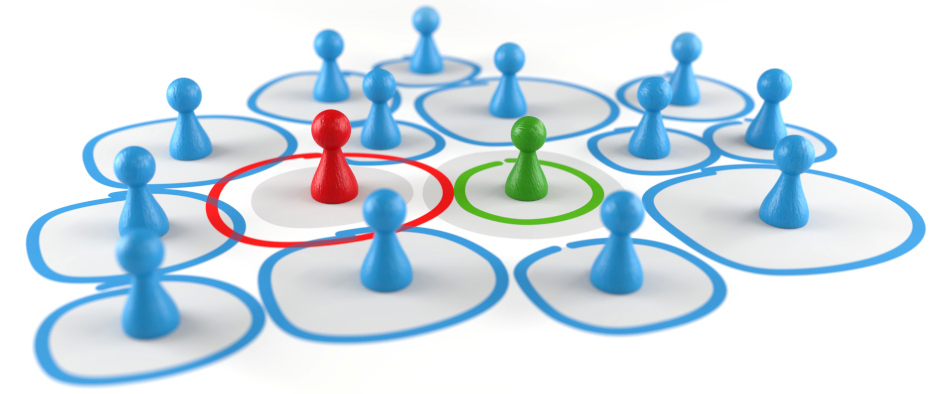
The Red Liner Model (RLM) makes visible a class of dominance seeking behaviour that:
- Shifts tactics when challenged
- Remains socially acceptable and plausibly deniable
- Escalates when boundaries are unclear or inconsistently enforced
Once these patterns are visible, responses can be calibrated to change the dynamic – not just manage the fallout.
This is not communication training.
RLM is not:
- Script‑based communication training
- Assertiveness coaching
- Sensitivity or awareness training
- A list of techniques detached from context
It is a diagnostic framework for understanding what is happening in live interactions – and a boundary‑led response approach for changing outcomes in real time.
Where this approach is most valuable.
This work resonates particularly strongly in organisations that are:
- Knowledge‑intensive
- Ambiguity‑rich
- Politically complex
- Dependent on collaboration rather than hierarchy
It is especially relevant where behaviour is rarely severe enough for formal processes — but corrosive enough to erode trust, confidence, and retention over time.
–